Last updated: 24 Apr 2026
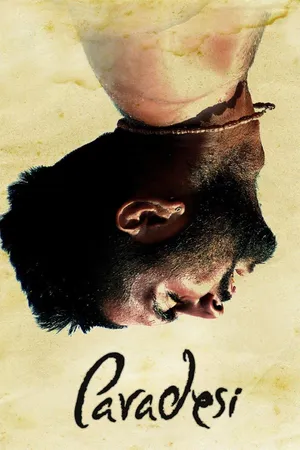
Paradesi is a period drama set in the 1930s that narrates the harrowing tale of tea plantation workers in colonial India. The story follows the life of a naive young man who is deceived into bonded labor and the brutal hardships he faces under the oppressive plantation system. It explores themes of exploitation, human dignity, and survival amidst inhumane conditions. The narrative is grounded in realism and highlights the socio-economic struggles of marginalized communities during British rule.
Paradesi is a poignant and unflinching portrayal of the plight of tea plantation workers, brought to life through Bala's intense and realistic storytelling. The screenplay is tightly woven, maintaining a somber and immersive tone throughout, with a deliberate pacing that reflects the slow, grinding nature of the characters' suffering. The first half effectively sets up the grim environment and the protagonist's initial innocence, while the second half delves deeper into the emotional and physical torment, culminating in a powerful and tragic climax.
The film's music by G. V. Prakash Kumar complements the narrative with haunting melodies and a restrained background score that enhances the emotional gravity without overpowering the scenes. The songs are sparse but meaningful, blending seamlessly into the story rather than serving as commercial breaks. Chezhian Ra’s cinematography captures the bleakness and raw beauty of the plantations, using natural lighting and muted color palettes to evoke a period feel.
Overall, Paradesi’s screenplay and direction demand patience but reward the viewer with a deeply moving experience. The film’s slow pacing and heavy subject matter may not appeal to all audiences, but its artistic integrity and commitment to realism make it a significant work in Tamil cinema. The background score subtly underscores the emotional beats, reinforcing the film’s tragic undertones without distraction.
Atharvaa Murali: Delivering a restrained and heartfelt portrayal of the protagonist, Atharvaa effectively conveys innocence, despair, and resilience.
Sai Dhanshika: Sai Dhanshika impresses with a raw and intense performance, embodying the harsh realities faced by women in the plantations.
Vedhika: Vedhika provides a strong supporting role, adding emotional depth to the narrative.
Strengths
Weaknesses
Bala’s direction is uncompromising and deeply immersive, focusing on raw human emotions and social realities. His writing is poignant and unvarnished, avoiding melodrama to present a truthful depiction of exploitation and survival.
No rating sources available.
Our Rating
No collection data available yet.
No centers data available.
| Award | Category | Notes |
|---|---|---|
| Filmfare Awards South | Best Actress (Critics) - Sai Dhanshika | Recognized for her intense performance |
| Vijay Awards | Best Cinematographer - Chezhian Ra | For authentic and evocative visuals |
| Type | Value |
|---|---|
| Positive | 70% |
| Neutral | 20% |
| Negative | 10% |
Critics widely praised Paradesi for its authentic portrayal and strong performances, especially highlighting Bala’s direction and Atharvaa’s acting. The film was noted for its realistic depiction of a dark chapter in history, though some reviews mentioned the film’s slow pace and heavy tone as challenging for mainstream audiences.
Final Box-Office Result
Paradesi released on 15 March 2013 (2013).
Paradesi is declared a SUPER HIT at the box office.
Paradesi is available on Sun Nxt. OTT date will be updated soon.
Paradesi directed by Bala. Produced by Bala.
Paradesi stars Atharvaa Murali, Sai Dhanshika, Vedhika, Karthik Ashokan, Riythvika.
Tollybo rates Paradesi 3.5/5. Verdict: SUPER HIT.
Music for Paradesi composed by G. V. Prakash Kumar.
Paradesi — Genre: Drama, History, Runtime: 126 minutes, Language: Tamil.